 “Is ‘smart’ the best we can imagine for this century’s technology?
Or should we be striving for something more?
Many of the harms caused by artificial intelligence are not due to a lack of intelligence. They are failures of the imagination.
They come from the moral distance between those who build and regulate AI systems and the people whose lives they affect.
Think of the distance between a product developed in one culture and the people living with its impact in another. Think of the psychological distance between those designing AI companions and the children who use them.
I founded the AI Ethics Lab at Rutgers University to help close those gaps.
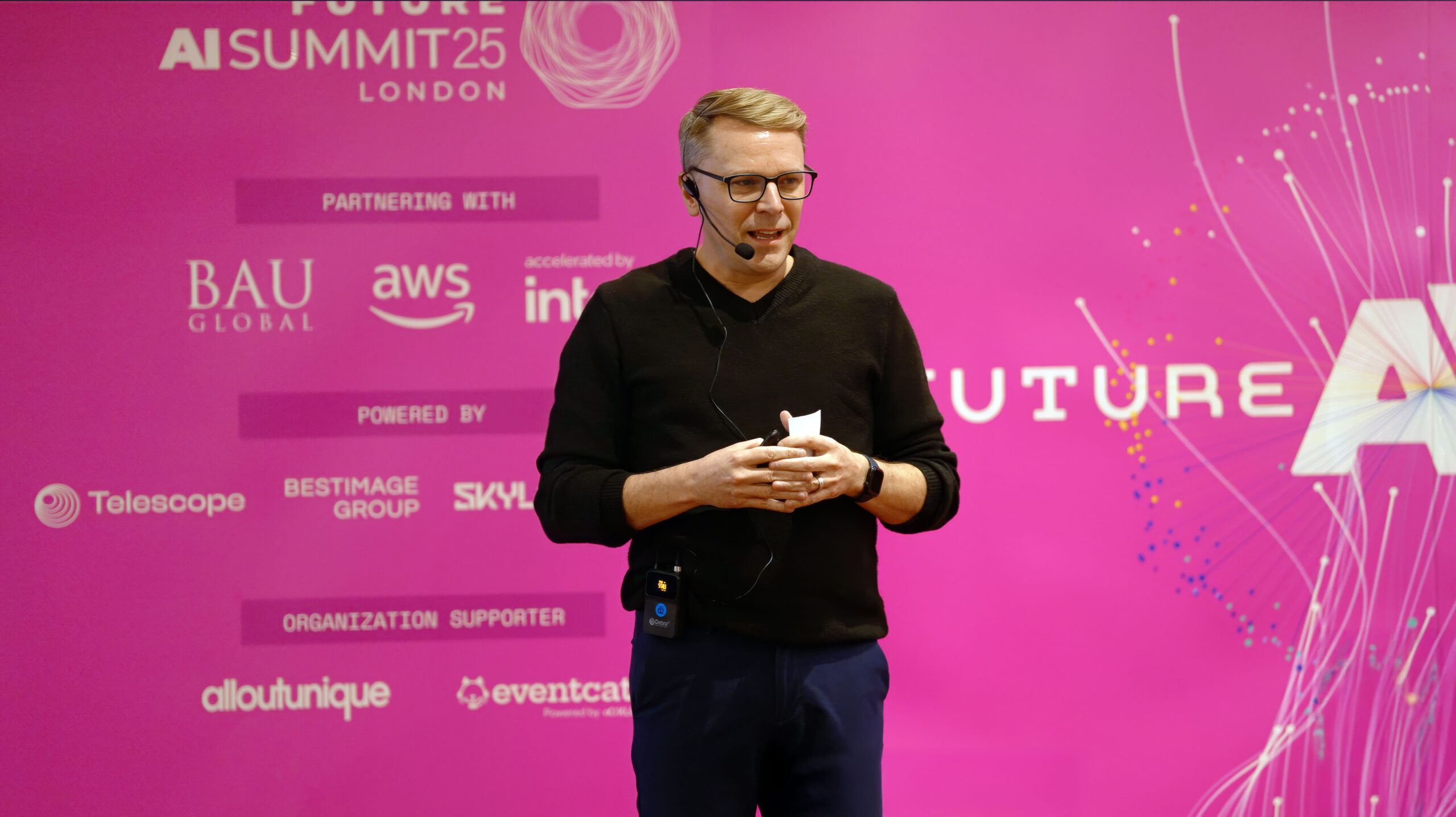
How? We train leaders across sectors to practice moral imagination: the ability to step into an ethical dilemma and understand multiple perspectives. Through role-plays and case studies, leaders uncover blind spots before those moral gaps become real harms.
When we cultivate empathy, especially for the most vulnerable, we bridge that moral distance. We move from building smart tech to empowering humans to make wise choices. 

Step 1.
Build AI & Human Rights Index
Map the relationship among AI, human rights, and legal instruments across societal sectors, with special attention to vulnerable groups.

Step 2.
Design Technical Protocol
Translate the legal index into a structured semantic system for evaluating how AI systems may violate or advance human rights.

Step 3.
Activate Governance Flywheel
Enable a continuous feedback system that democratizes the training of AI systems by integrating diverse cultural and legal perspectives.

Academia
Advancing teaching, learning, and research on AI, ethics, and law through invited talks and collaborations, including engagements at Columbia University and Virginia Tech.

Government
Conducting legal research on local, state, national, and international approaches to artificial intelligence governance.
NGOs
Delivering talks and workshops for nonprofit organizations, including the New Jersey Institute for Social Justice and the International Rescue Committee.

Industry
Facilitating ethics-to-industry workshops that help founders and global technology leaders identify risks, reduce harms, and build trustworthy AI systems.

For Students
Join the lab as a Research Assistant or Teaching Assistant, or earn academic credit.

For Experts
Contribute your expertise to research, publications, and applied ethics initiatives.

For Philanthropists
Make a tax-deductible contribution to the Humans First Fund.